Factories today are drowning in data. Sensors are tracking every machine, cameras are watching production lines, and software is logging every step. Yet, having all this information isn’t enough if it doesn’t lead to faster decisions or fewer breakdowns. This is the “data gap” that major players like Bosch are rushing to close.
Recent reports indicate that Bosch plans to invest approximately €2.9 billion in artificial intelligence by 2027. But this isn’t just about chasing the latest tech trend. It is a calculated move to embed AI into the very core of manufacturing, supply chains, and physical systems.
For business leaders and founders, looking at how a giant like Bosch applies AI offers a masterclass in operational efficiency. Here is how they are turning raw data into real value.
Catching Problems Before They Cost Money
In the world of manufacturing, a tiny error in machine settings can ruin an entire batch of products. Traditionally, these defects might only be caught at the end of the line—after the time and materials have already been wasted.
Bosch is changing this dynamic by using AI models to analyze camera feeds and sensor data in real-time. Instead of a post-mortem inspection, the system flags anomalies while the item is still on the production line. This allows workers to adjust operations instantly, significantly reducing scrap and the need for rework.
Predicting Failure Instead of Reacting to It
Equipment maintenance is often a headache for business owners. You either rely on a fixed schedule (which might be unnecessary) or you wait for something to break (which causes expensive downtime).
By training AI models on vibration and temperature data, Bosch is moving toward predictive maintenance. The systems can spot the subtle warning signs of a failing machine long before it actually stops working. This allows teams to schedule repairs during planned downtime rather than scrambling to fix a breakdown during a rush order. It extends the life of expensive machinery and keeps production stable.
Agility in the Supply Chain
If the last few years have taught us anything, it is that supply chains are fragile. Disruptions, shifting demands, and transport delays are the new normal.
Bosch is using AI to forecast needs and track parts across sites more accurately. When conditions change, the system helps adjust plans dynamically. For a business of any size, improving planning accuracy—even by a small percentage—can have a massive compounding effect on the bottom line.
Why “Edge Computing” is the Secret Weapon
One of the smartest parts of this strategy is where the AI lives. In a fast-paced factory, you cannot always afford to send data to a distant cloud server and wait for a response. If the internet connection blips, production shouldn’t stop.
This is why Bosch focuses on “edge computing”—running AI models locally on the machines themselves. This ensures real-time responses and keeps sensitive production data secure within the facility. The cloud is still used for heavy lifting like training new models or analyzing long-term trends, but the immediate action happens right on the floor.
The Lesson for Business Owners
Bosch’s strategy highlights a shift in how successful companies view AI. It is not about replacing workers; executives have explicitly stated their goal is to support staff and handle complexities that humans simply cannot manage alone. It is about building infrastructure that makes the business more resilient.
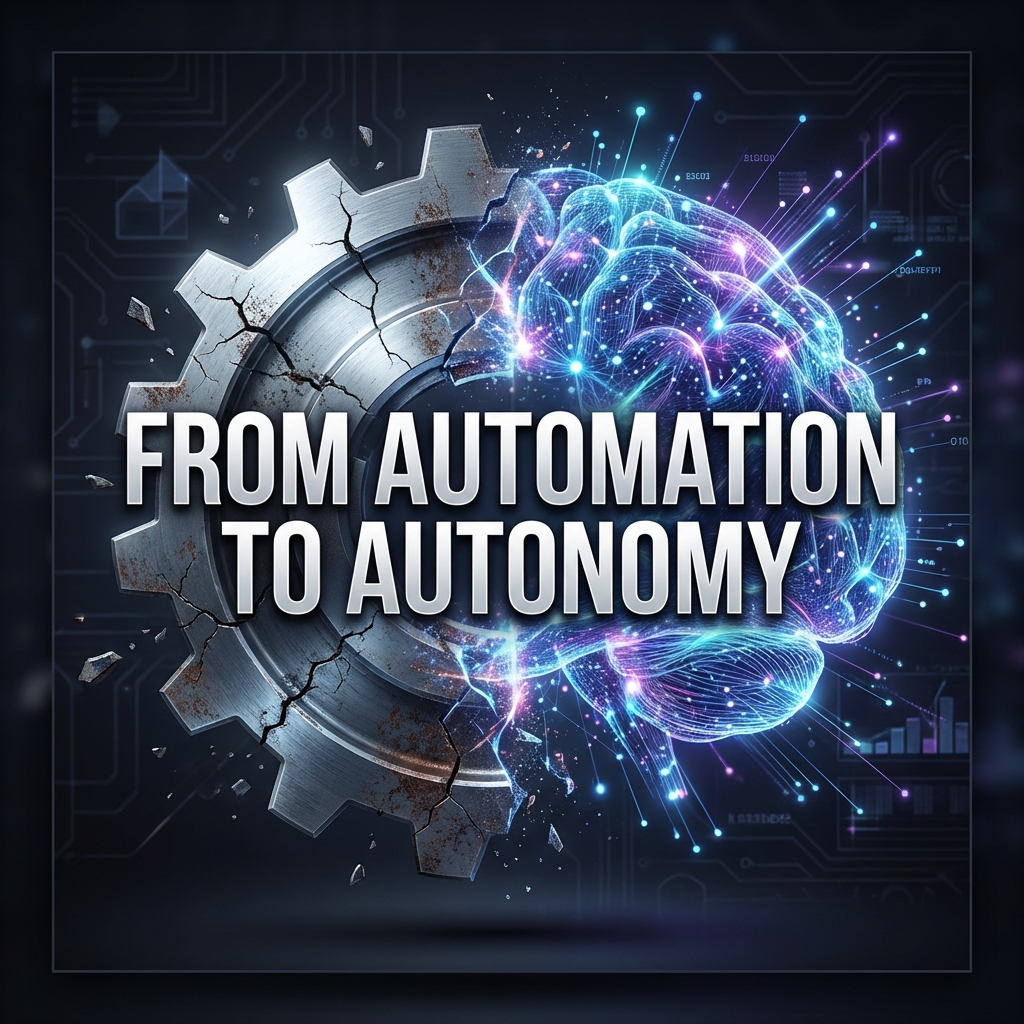
Whether you run a massive industrial firm or a growing digital enterprise, the takeaway is clear: Automation isn’t just about speed; it’s about intelligence. It is about creating systems that can adjust to changing conditions without constant manual input.
At Prime IT Sewa, we see this shift every day. Companies that move from simple data collection to intelligent automation are the ones that will thrive in a tight economy. The focus is no longer on bold claims, but on practical results—reducing waste, improving uptime, and making complex systems easier to manage.