For many business leaders, the current AI conversation is stuck on “productivity”—writing emails faster, summarizing meetings, or generating marketing copy. But while the market distracts itself with chatbots, industry giants like PepsiCo are quietly deploying AI where it actually protects the bottom line: operational infrastructure.
The High Cost of “Oops”
In the startup world, the mantra is “move fast and break things.” In the world of heavy manufacturing, if you break things, you lose millions. This risk aversion usually makes innovation painfully slow.
PepsiCo has circumvented this paradox by leaning heavily into Digital Twins.
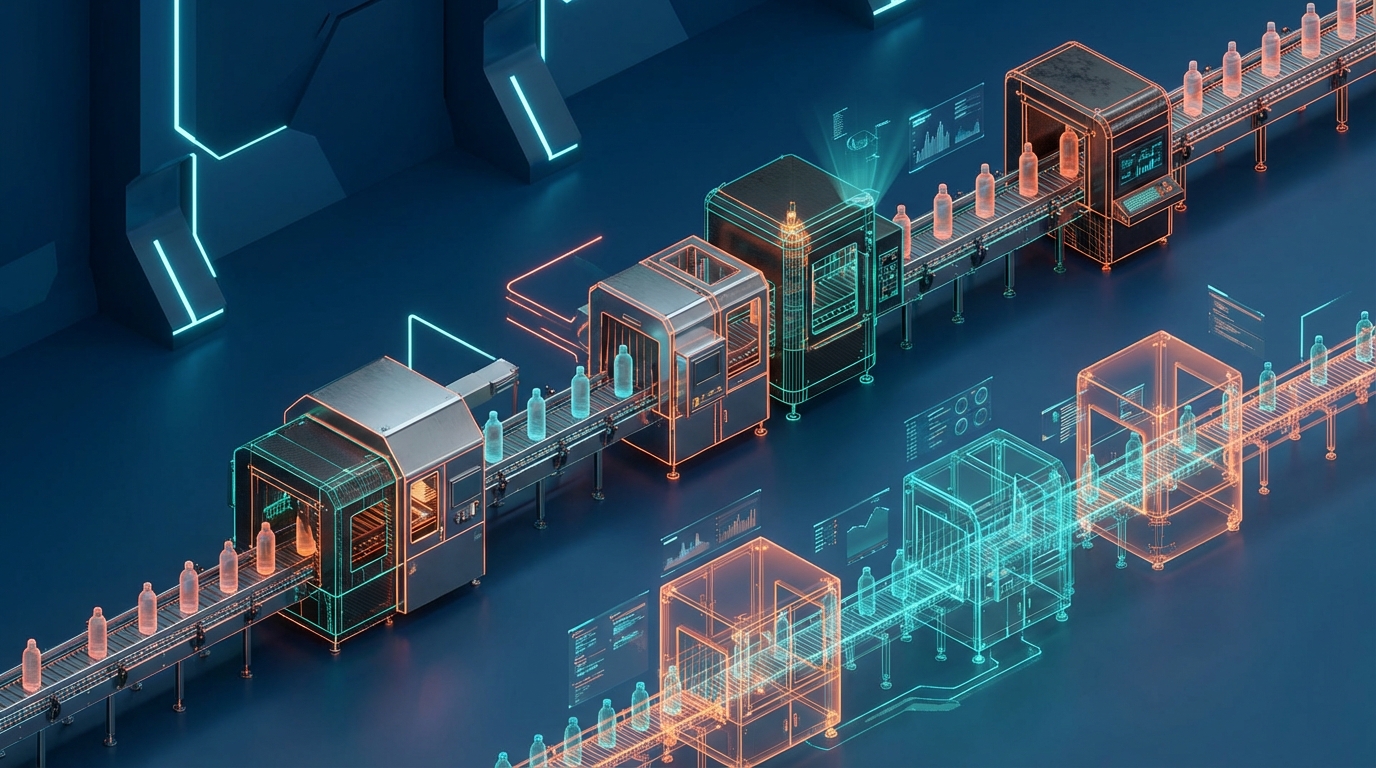
Think of a Digital Twin as a high-fidelity flight simulator for a factory. It is a virtual replica of the physical floor—equipment placement, material flow, and production speeds. Instead of shutting down a live line to test a new configuration (which is expensive and risky), engineers can run thousands of scenarios in the digital world first.
Speed Over Automation
There is a critical distinction here for founders and executives. PepsiCo isn’t using AI to replace human workers. They are using it to compress the time it takes to make a decision.
- The Old Way: Plan → Physical Trial (Weeks or Months) → Validate.
- The New Way: Plan → AI Simulation (Hours) → Validate.
The metric that matters here isn’t “automation”—it is cycle time. By identifying bottlenecks virtually, they validate changes before a single piece of equipment is moved.
The Strategic Pivot: Operations vs. Admin
This highlights a maturing market. The initial AI hype focused on open-ended knowledge work. However, the real traction is happening in defined, operational problems.
We see a similar pattern with Amazon’s One Medical. They didn’t just launch a generic medical chatbot; they embedded AI directly into the patient intake workflow to reduce repetitive data entry.
The insight? AI adoption stalls when you ask teams to build new habits. It accelerates when you fit the tech into how work already gets done.
The Takeaway for Leaders
You may not run a bottling plant, but the lesson applies to every sector. Don’t start by asking, “How can we use AI?” Start by looking for the friction.
Where is your business planning too slow? Where is experimentation too expensive? PepsiCo found their answer on the factory floor. Your answer might be in your supply chain logistics, your customer onboarding flow, or your quality assurance checks.
The most valuable AI right now isn’t the one that chats with you. It’s the one that simulates your risks so you don’t have to take them.