For high-volume shippers, the “black hole” of logistics is a familiar pain. You hand off the package, and visibility drops until a delivery exception notification hits your inbox. By then, the customer is already frustrated, and your support team is scrambling.
FedEx is moving to close that gap. The logistics giant is rolling out AI-driven tools specifically for enterprise shippers, shifting the focus from reactive tracking to proactive problem-solving.
Moving Beyond “Where is My Package?”
Traditional tracking is passive. It acts as a digital breadcrumb trail, telling you where a shipment was scanned last. While useful, it doesn’t help you manage business outcomes.
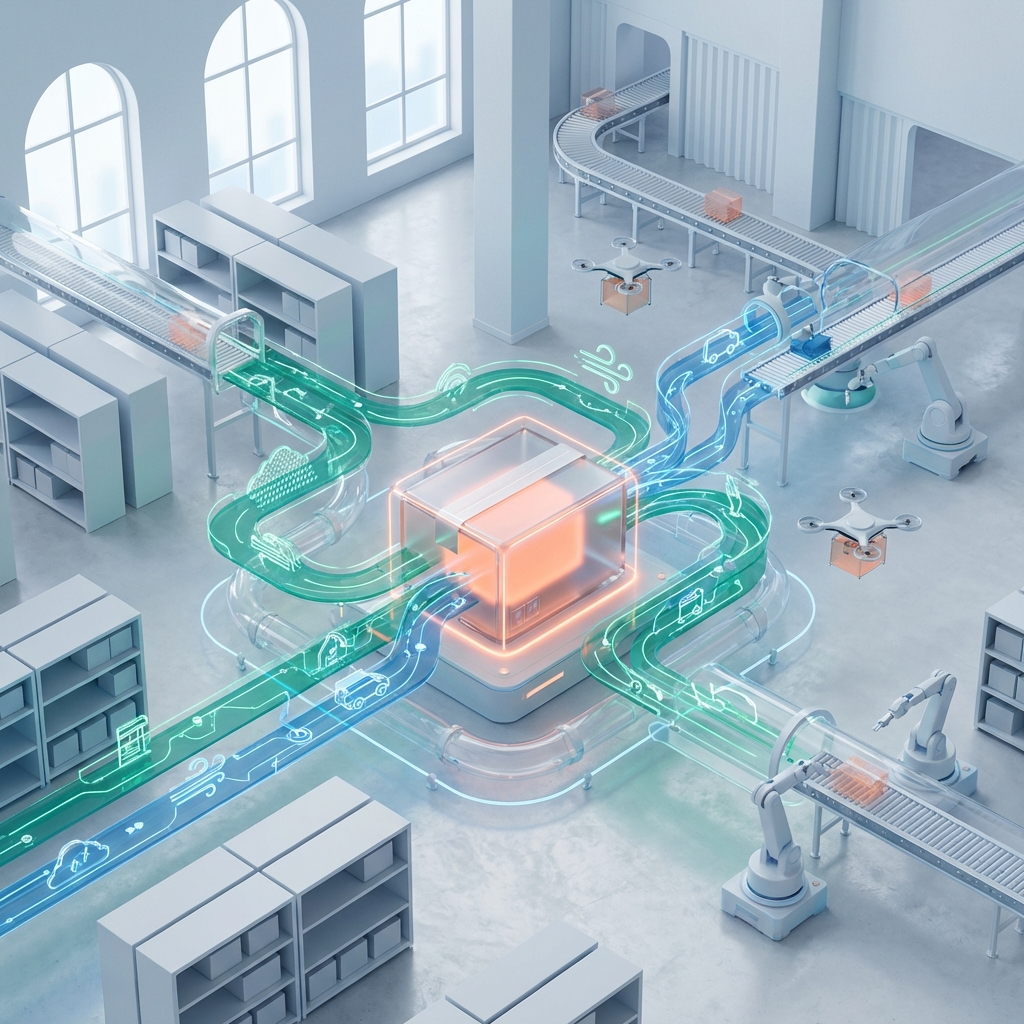
FedEx’s new approach uses AI to analyze historical data, weather patterns, traffic conditions, and network constraints in real time. The goal isn’t just to report a delay—it is to predict it before it happens.
For a business owner, this distinction is critical. If your system flags a potential disruption hours in advance, you have the option to reroute shipments or proactively notify clients. It turns a potential customer service crisis into a managed operational pivot.
The Expensive Problem of Returns
Returns are often where margins go to die. They consume warehouse capacity, complicate inventory planning, and drive up transportation costs.
FedEx is applying AI here to automate the friction points. Instead of manual decision-making on every return, the system can handle routing decisions, label generation, and status updates autonomously. It ensures items are returned to the correct facility via the most efficient path, preventing goods from sitting idle or clogging up the wrong channels.
This is about operational discipline. It reduces the need for manual overrides and temporary staffing during peak seasons, allowing your logistics to scale without a corresponding spike in overhead.
Embedded AI: The Quiet Revolution
What makes this update significant for founders and executives is what it isn’t. This isn’t a flashy, consumer-facing chatbot wrapper. It is “boring” AI—technology embedded deep into operational workflows to remove friction.
This mirrors a mature trend in enterprise technology. Much like Microsoft’s internal rollout of Copilot, the most effective AI implementations are specific, governed, and focused on tangible metrics rather than broad transformation promises.
The takeaway for enterprise leaders is clear: Your logistics partners are evolving. The metric for success is shifting from pure delivery speed to anticipation. In a distributed supply chain, the most valuable asset isn’t just moving fast—it’s knowing what’s going to happen next.